由于对 DeFi 的信任度下降,Solana液体定标率年同比下降 8.2
<p dir="ltr">作为 DeFi 最广泛使用的收益工具之一,Solana LST 自 2022 年以来首次出现逐月下降。</p> <p dir="ltr">随着人们对 DeFi 的信心减弱,LST 的使用量也在减少。一系列破坏性的漏洞可能在几周内使储户损失超过 3 亿美元,在这种情况下,DeFi 的拥护者正在失去他们的信仰,从而加速了 LST 使用量的下降。</p> <p dir="ltr">与此同时,Arbitrum 收缴了在 KelpDAO 漏洞中被盗的 7100 万美元ETH,重新引发了去中心化的争论,促使整个加密货币行业呼吁进行标准化的 DeFi 安全评级。</p> <h2 dir="ltr">Solana LST 率自 2022 年以来首次下降</h2> <p dir="ltr">在经历了三年多的上升趋势后,Solana 的 LST 率终于出现了放缓的迹象。</p> <p dir="ltr">根据<a href="https://blockworks.com/analytics/solana/solana-supply-staking-and-validators">Blockworks 的数据</a>,Solana的每周 LST 定注率(衡量作为液体定注代币铸币的网络赌注百分比)从 1 月第一周的 15.53% 降至 4 月中旬的 14.25%。</p> <p dir="ltr"><deepl-img data-idx="0"></deepl-img></p> <p dir="ltr">这一下降标志着 Solana 的 LST 率自 2022 年 12 月以来首次连续三个月下降。</p> <p dir="ltr"><deepl-img data-idx="1"></deepl-img></p> <p dir="ltr">在网络 REV 衰退和基于排放的奖励减少之间,LST 采用率的减弱很可能是由于收益率下降和注重灵活性的持有者减少。最近几个月,每周定投收入大幅下降,导致持有者到其他地方寻找机会。</p> <p dir="ltr">此外,LST 的采用率现在面临着新的挑战。在 2026 年发生了一系列破坏性黑客攻击事件,导致超过 6 亿美元的损失后,随着人们对链上经济的情绪急剧下降,用户开始转而关注 DeFi。</p> <p dir="ltr">[https://x.com/gumsays/status/2046535707426951327]</p> <p dir="ltr">虽然大多数 DeFi 用户认为风险太大,但也有人持更乐观的观点。DefiLlama联合创始人<em>0xngmi</em>承认DeFi "<a href="https://x.com/0xngmi/status/2046557112218640583">会受到冲击</a>",但断言该行业会反弹。</p> <h2 dir="ltr">Arbitrum 的 KelpDAO 冻结引发去中心化辩论</h2> <p dir="ltr">除了 DeFi 的困境之外,Arbitrum 冻结被攻击者盗取的 30,766 美元ETH 的决定在整个链上社区引发了争议。</p> <p dir="ltr">纯粹主义者认为,通过冻结这些资金,Arbitrum 背叛了去中心化的核心原则之一。诋毁者声称,Arbitrum 安全委员会可以随意扣押任何钱包中的资产,这实际上使网络成为了一个<a href="https://x.com/CryptoTeluguO/status/2046447198083399875">中央集权的金融游乐场</a>,受制于一小撮人的胡作非为。</p> <p dir="ltr"><deepl-img data-idx="2"></deepl-img></p> <p dir="ltr">与此同时,其他评论家则认为,目的就是手段。虽然允许中心化实体随意操纵链条的权力并不完美,但保护用户是最重要的。</p> <p dir="ltr">[https://x.com/AvgJoesCrypto/status/2046454861298811059]</p> <p dir="ltr">专家建议,Arbitrum 的介入代表了行业的一个关键拐点。去中心化可能是加密货币的基本原则,但它带来的风险可能让更广泛的用户群和机构规模的参与者难以承受。</p> <h2 dir="ltr">DeFi 评级是未来之路吗?</h2> <p dir="ltr">在 DeFi 情绪陷入困境的情况下,Solana 生态系统的领导者们正在就该网络的最佳发展方向表明态度。Kamino 联合创始人 Marius Ciubotario 坚称 Arbitrum 的决定是<a href="https://x.com/y2kappa/status/2046478746476048789">正确的</a>,他认为团队需要设计可随时启动的触发器来保护资金。</p> <p dir="ltr">Kamino 最近推出的白名单储备就是一个很好的例子,说明保护措施并不等同于中央实体对资金的完全控制。</p> <p dir="ltr">[https://x.com/kashdhanda/status/2046513093577191481]</p> <p dir="ltr">同时,Jupiter 首席运营官卡什-丹达(Kash Dhanda)建议,DeFi 协议可以实施标准化的评级系统。Dhanda 承认这种模式可能会带来新的问题,但他认为,如果有一个统一的衡量标准来衡量整个行业的 DeFi 健康状况,就能确保用户充分了解各种应用的风险。</p> <h3 dir="ltr">在 UPPU 上阅读更多内容</h3> <p dir="ltr">DeFi面临押金外逃</p> <p dir="ltr"><a href="https://UPPU.com/news/280m-kelp-dao-exploit-forces-defi-liquidity-crunch-solana-safe">2.8亿美元的KelpDAO漏洞导致DeFi流动性紧缩--Solana安全吗?</a></p> <h3 dir="ltr">停止石器时代的交易</h3> <p dir="ltr">[https://www.youtube.com/watch?v=Q0Tf2Y-Fon8]</p>
One of DeFi’s most widely-used yield instruments, Solana LSTs are witnessing month-on-month decline for the first time since 2022.
Diminishing LST use comes as faith in DeFi falters. Amidst a series of devastating exploits that may have cost depositors over $300M in a matter of weeks, DeFi advocates are losing their religion, accelerating the decline of LST use.
Meanwhile, Arbitrum’s seizure of $71M $ETH stolen in the KelpDAO exploit has reignited the decentralization debate, prompting calls for standardized DeFi security ratings across the crypto industry.
Solana LST Rate in Decline for First Time Since 2022
After trending upwards for over three years, Solana’s LST rate is finally showing signs of slowing down.
Based on Blockworks data, Solana’s weekly LST staking rate, measuring the percentage of network stake minted as Liquid Staking Tokens, has dropped from 15.53% in the first week of January to 14.25 in mid-April.
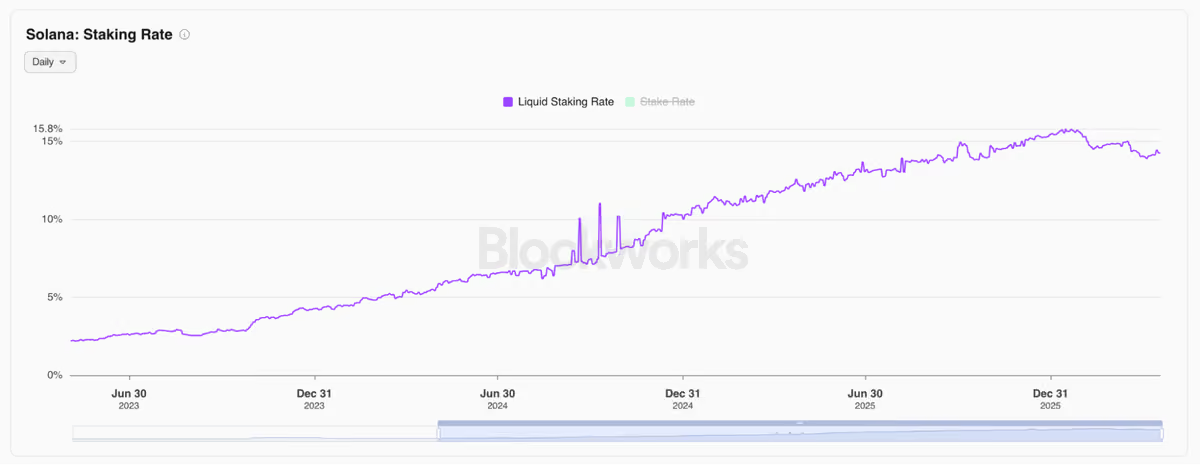
This decline marks the first time that Solana’s LST rate has dropped over three consecutive months since December 2022.
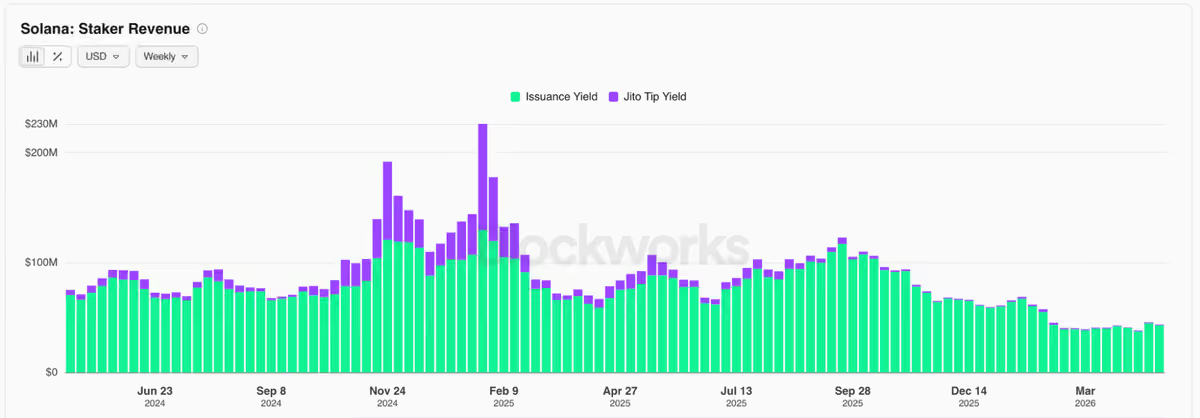
Between a downturn in network REV and diminishing emission-based rewards, waning LST adoption is likely due to a declining yield and a reduction of flexibility-focused holders. Weekly staking revenue has dropped considerably in recent months, causing holders to seek opportunities elsewhere.
Additionally, LST adoption rates now face a new challenge. After a slew of destructive hacks in 2026 that have resulted in the loss of over $600M, users are starting to turn their backs on DeFi as sentiment towards the onchain economy plummets.
While the majority of DeFi users argue that the risks are simply too great, Others hold a more optimistic view. Conceding that DeFi is “gonna take a hit”, DefiLlama co-founder 0xngmi asserts that the sector will bounce back.
Arbitrum’s KelpDAO Freeze Reignites Decentralization Debate
Adding to DeFi’s woes, Arbitrum’s decision to freeze 30,766 $ETH stolen by attackers has sparked controversy across the onchain community.
Purists argue that by freezing the funds, Arbitrum has betrayed one of the core principles of decentralization. Detractors claim that the Arbitrum Security Council can seize assets from any wallet at its discretion, effectively making the network a centralized financial playground subject to the whims of a select group of individuals.
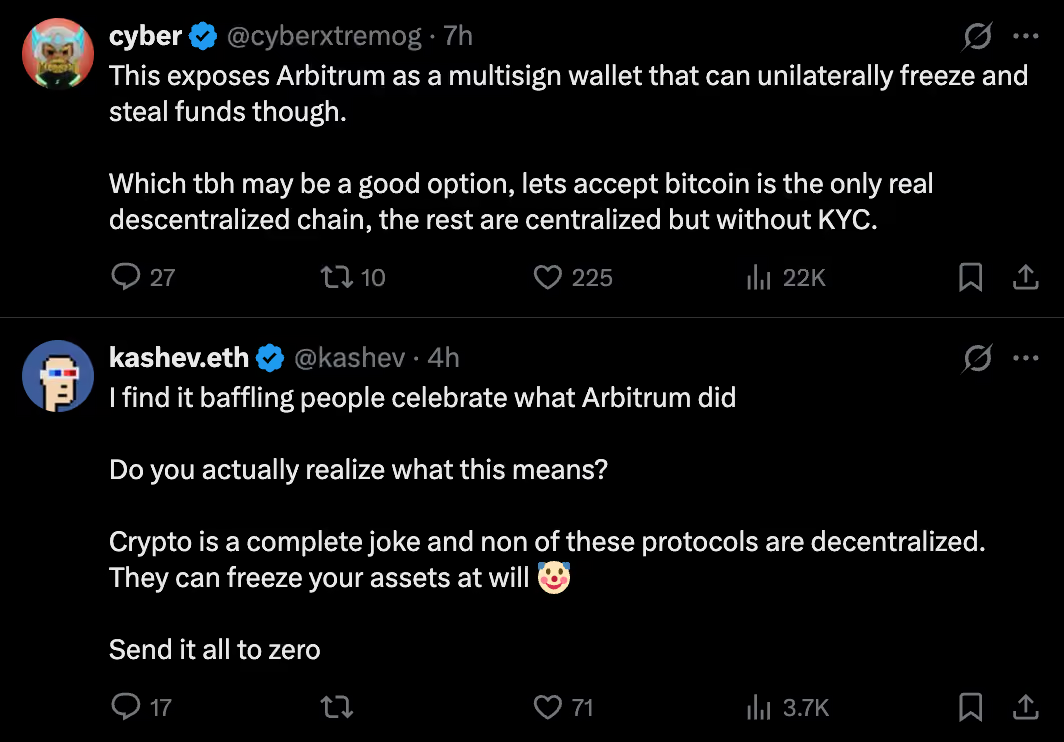
Meanwhile, other commentators have argued that the ends justify the means. While allowing centralized entities the power to manipulate the chain at will is an imperfect scenario, protecting users is paramount.
Experts suggest that Arbitrum’s intervention represents a critical inflection point for the industry. Decentralization may be a fundamental tenet of crypto, but the risks it poses may be unpalatable for a wider user base and institutional scale players.
Are DeFi Ratings the Path Forward?
With DeFi sentiment in dire straits, Solana ecosystem leaders are taking a stance on the best way forward for the network. Kamino co-founder Marius Ciubotario is adamant that Arbitrum’s decision was the correct one, arguing that teams need to design ready triggers that can be pulled to protect funds.
Kamino’s recent launch of Whitelisted Reserves is a good example of protective measures that do not equate to full control of funds by a centralized entity.
Meanwhile, Jupiter COO Kash Dhanda has suggested that DeFi protocols could implement a standardized rating system. Acknowledging that the model might present new problems, Dhanda argues that having a unified measuring stick for gauging DeFi health across the industry would ensure users are adequately informed on the risks of various applications.
Read More on UPPU
DeFi faces deposit flight
$280M KelpDAO Exploit Forces DeFi Liquidity Crunch - Is Solana Safe?
Stop Trading in The Stone Age
[https://www.youtube.com/watch?v=Q0Tf2Y-Fon8]